Mastering Grain-Free Coconut Flour Chocolate Chip Cookies
Embarking on a journey into grain-free baking can be incredibly rewarding, especially when it leads to a batch of warm, delightful chocolate chip cookies. If you're looking to create perfect coconut flour chocolate chip cookies grain free, you've come to the right place. Coconut flour is a remarkable ingredient, offering a unique texture and flavor profile that stands apart from traditional flours. These cookies aren't just a delicious treat; they're also a fantastic option for those seeking gluten-free, grain-free, and often nut-free alternatives without compromising on taste.
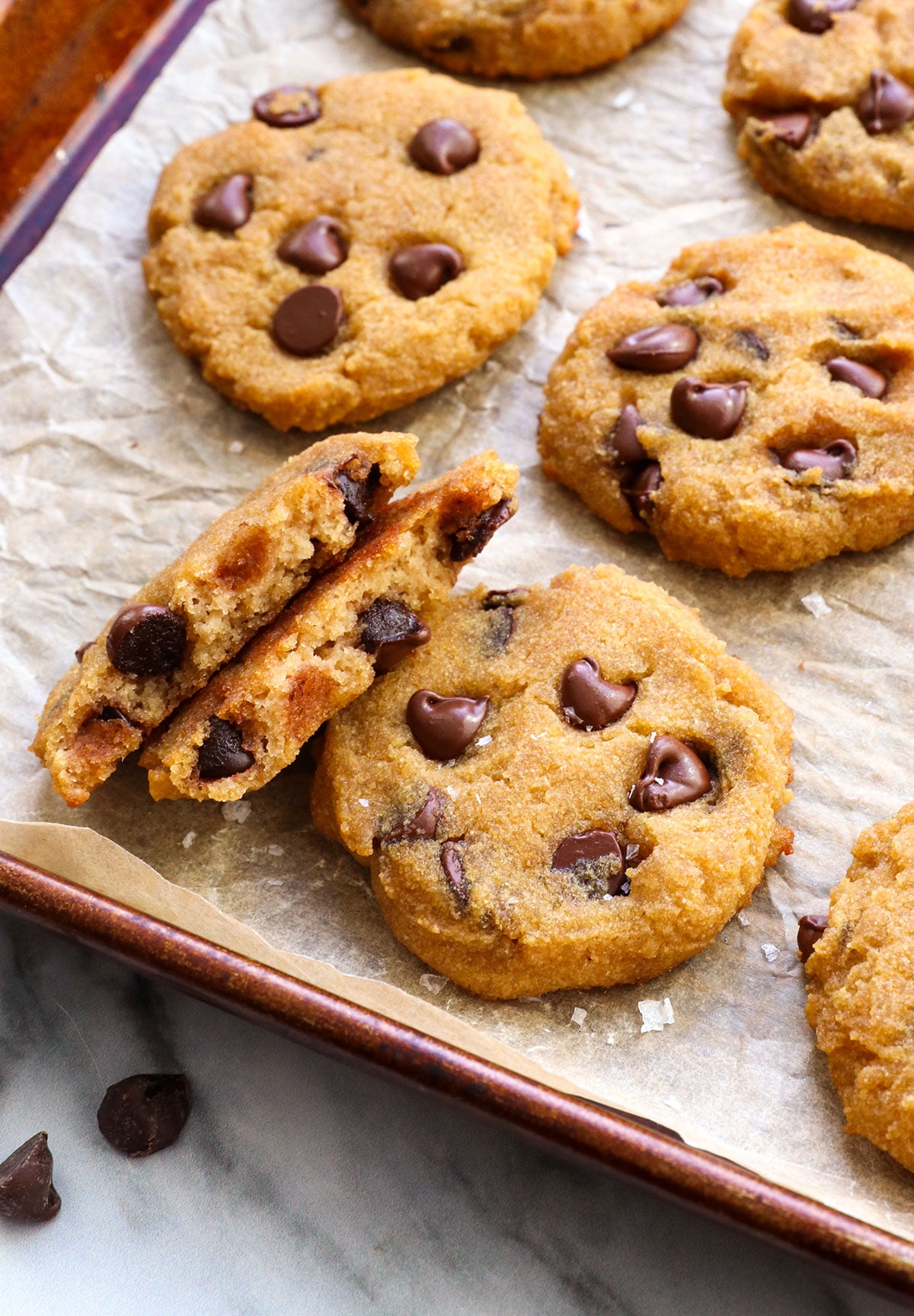
For those new to the world of coconut flour, be prepared for an experience unlike any other baking flour. Its ultra-absorbent nature means you'll use surprisingly little compared to wheat or even almond flour. The result? A wonderfully light and fluffy cookie, reminiscent of a delicate muffin top rather than a dense, chewy classic. If a soft, cake-like texture packed with chocolate is what you crave, then these grain-free delights are about to become your new favorite!
Understanding Coconut Flour: Your Grain-Free Baking Ally
Coconut flour is truly a powerhouse ingredient in the realm of special dietary baking. Its primary appeal lies in its inherent grain-free and gluten-free properties, making it an excellent choice for individuals with specific dietary needs or preferences. Beyond this, it's a fantastic option for those avoiding nuts, as it's naturally nut-free, providing peace of mind for allergy sufferers.
One of the most compelling advantages of coconut flour is its cost-effectiveness. Due to its incredibly absorbent nature – a characteristic rooted in its high fiber content – a small amount goes a very long way. This means your bag of coconut flour will last significantly longer than other grain-free alternatives. However, this same absorbency is also what makes it notoriously tricky. It can transform your dough from perfectly moist to crumbly dry with just an extra tablespoon.
Precision in measurement is paramount when working with coconut flour. Unlike more forgiving flours, "eyeballing" it is a recipe for disaster. We highly recommend using a kitchen scale for the most accurate results, as weights eliminate the variability of scooping methods. If you're using measuring cups, adopt the "scoop and level" technique: scoop the flour into the cup and then use a straight edge, like a knife, to level off the top. This consistent approach is crucial for achieving the perfect balance of moisture and structure in your coconut flour chocolate chip cookies grain free. For a deeper dive into mastering this unique ingredient, check out Unlock Fluffy Coconut Flour Cookies: Grain-Free Baking Secrets.
The Secret to Light & Fluffy Coconut Flour Chocolate Chip Cookies
The quest for the perfect coconut flour chocolate chip cookies grain free leads us to a texture that defies traditional cookie expectations. Forget dense and chewy; these cookies celebrate lightness, airiness, and a wonderfully soft crumb. This unique texture is achieved through a careful balance of key ingredients:
- Eggs: Eggs are the unsung heroes of coconut flour baking. Due to coconut flour's lack of gluten and extreme absorbency, eggs provide essential moisture, structure, and binding. They are not merely an ingredient but a foundational component. Experimenting with flax eggs or other common vegan egg substitutes often leads to disappointing results with coconut flour, as they simply can't provide the same structural integrity.
- Melted Coconut Oil: This provides the necessary fat and contributes to the delicate crumb. Using it melted ensures even distribution throughout the dough.
- Maple Syrup: Beyond sweetening, maple syrup adds a crucial liquid component and a subtle, natural flavor that complements the coconut flour beautifully.
- Baking Soda & Salt: These leavening agents and flavor enhancers work together to give the cookies a slight lift and balance the sweetness.
- Vanilla Extract: A splash of good quality vanilla is indispensable for enhancing the overall flavor profile.
A smart tip for optimal results involves your eggs: aim for room-temperature eggs. Cold eggs, when introduced to melted coconut oil, can cause the oil to solidify and create a thicker, potentially harder-to-mix dough. While this won't drastically impact the final bake, starting with room-temperature ingredients simply makes the mixing process smoother and ensures a more homogenous dough. Another helpful, albeit optional, step is to sift your coconut flour. This removes any small clumps, making it easier to incorporate seamlessly into the wet ingredients and ensuring a smoother dough consistency. This attention to detail will elevate your grain-free baking experience.
Step-by-Step Guide to Baking Your Perfect Batch
Ready to bake a batch of irresistible coconut flour chocolate chip cookies grain free? Follow these steps for success:
Step 1: Prep and Combine
Begin by preheating your oven to 350°F (175°C) and lining a large baking sheet with parchment paper. This prevents sticking and makes cleanup a breeze. In a large bowl, whisk together your dry ingredients: the accurately measured coconut flour, baking soda, and salt. Remember, sifting the coconut flour at this stage can help prevent lumps. In a separate bowl, combine your wet ingredients: room-temperature eggs, melted coconut oil, maple syrup, and vanilla extract. Whisk these until well combined. Gradually add the wet mixture to the dry ingredients, stirring thoroughly until no dry streaks remain.
Step 2: Dough Consistency and Add-ins
At first, your dough might appear surprisingly wet, almost like a thick muffin batter. This is perfectly normal! Coconut flour takes time to absorb liquids. Allow the dough to rest for 5-10 minutes. During this time, you'll notice it thickening considerably, reaching a scoopable consistency. This resting period is critical for the coconut flour to fully hydrate. Once the dough has thickened, gently fold in your chocolate chips. For a delicious and allergy-friendly option, ensure your chocolate chips are dairy-free. If you're exploring other varieties, you might find inspiration in our Easy Paleo & Nut-Free Coconut Flour Chocolate Chip Cookies Recipe.
Step 3: Scoop, Bake, and Cool
Using a tablespoon or a small cookie scoop, drop even mounds of dough onto your prepared baking sheet. Aim for consistent sizing to ensure even baking. Slightly flatten the tops of the cookies if you prefer a less domed shape. Bake for approximately 10-14 minutes, or until the edges are lightly golden and the centers appear set. Keep a close eye on them, as coconut flour cookies can brown quickly. Once baked, remove the baking sheet from the oven and allow the cookies to cool on the sheet for at least 5-10 minutes. This step is crucial, as they are very delicate when warm and firm up as they cool. After partially cooling, carefully transfer them to a wire rack to cool completely.
Customizing Your Grain-Free Coconut Flour Cookies
While classic chocolate chip is always a winner, these coconut flour chocolate chip cookies grain free are wonderfully adaptable to a variety of flavors and preferences. Don't be afraid to get creative!
- Flavor Variations:
- Different Chips: Swap milk chocolate chips for white chocolate, dark chocolate, or even butterscotch chips (check labels for grain-free compliance).
- Dried Fruits: Fold in a quarter cup of dried cranberries, raisins, or chopped apricots for a chewy texture contrast.
- Spices: A pinch of cinnamon, nutmeg, or even a touch of cardamom can add warmth and complexity.
- Citrus Zest: A teaspoon of orange or lemon zest brightens the flavor profile beautifully.
- Sweetener Adjustments:
While maple syrup provides both sweetness and liquid, you can experiment with other liquid sweeteners like honey. If you're looking to reduce sugar, some liquid stevia or monk fruit blends designed for baking might work, but be mindful that removing too much maple syrup could impact the dough's moisture content and require slight adjustments to other liquids.
- Storage:
Store your finished cookies in an airtight container at room temperature for up to 3-4 days. For longer freshness, they can be refrigerated for up to a week, or frozen for up to a month. Thaw frozen cookies at room temperature or gently warm them in the oven for a "freshly baked" experience.
Remember, while coconut flour is incredibly versatile, it does have its quirks. If you're considering significant substitutions, particularly with the eggs or liquid sweeteners, be prepared for potential texture changes. Small, incremental changes are often best when experimenting.
Conclusion
Baking delicious, grain-free treats doesn't have to be complicated. With a little understanding of coconut flour's unique properties and these simple steps, you can create truly delightful coconut flour chocolate chip cookies grain free that are sure to impress. Their light, fluffy texture and rich chocolate flavor make them a perfect indulgence for anyone, whether you follow a specific dietary plan or simply appreciate a well-baked cookie. So, gather your ingredients, embrace the joy of grain-free baking, and get ready to enjoy a batch of these wholesome, homemade delights!
