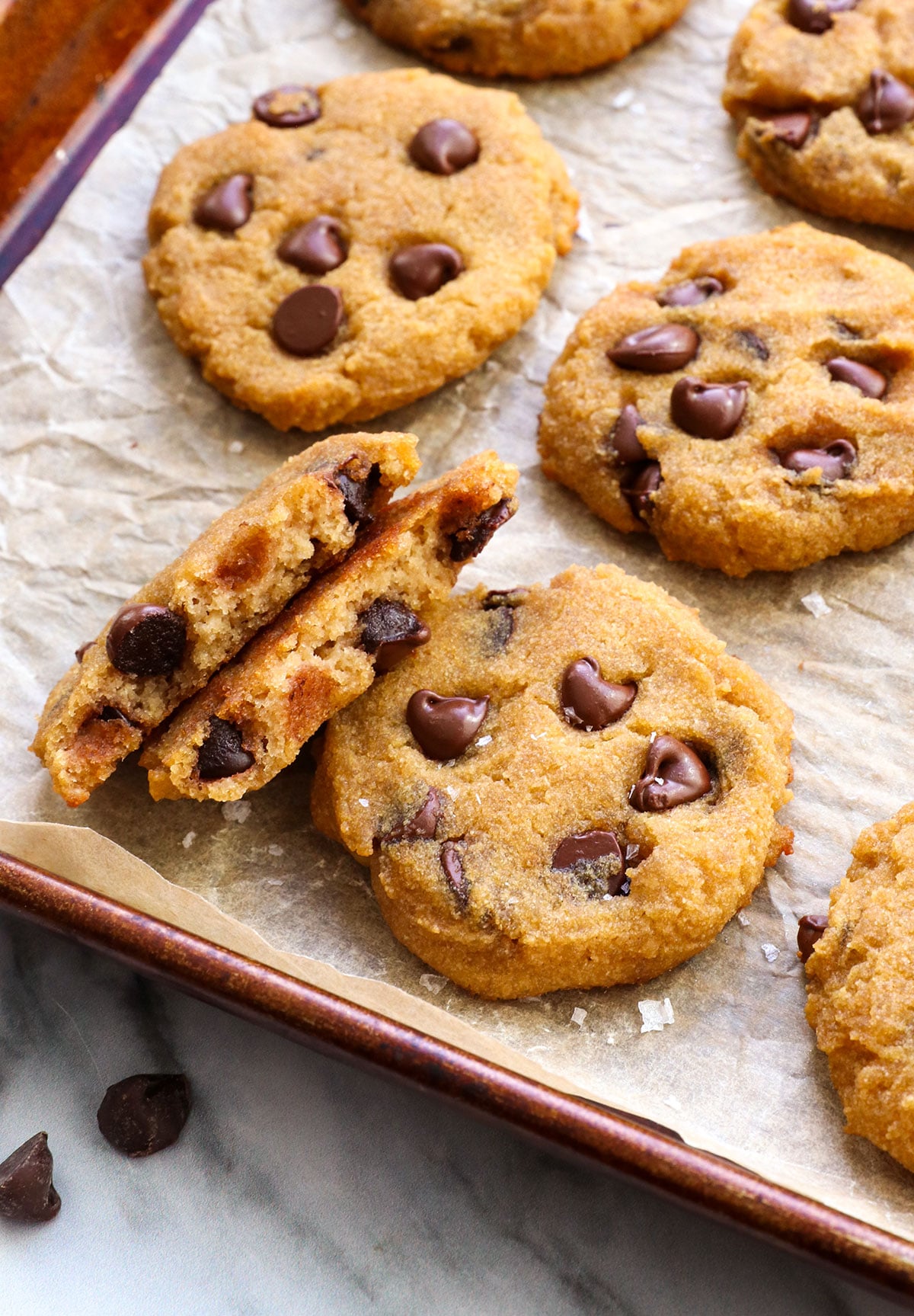
There's something uniquely comforting about a freshly baked chocolate chip cookie, warm from the oven, its aroma filling your home. For many, however, dietary restrictions like grain sensitivity or gluten intolerance can make this simple pleasure seem out of reach. But what if we told you there's a secret ingredient that can unlock a world of delicious, grain-free baking, resulting in surprisingly light and fluffy treats? Enter coconut flour, the hero of our quest to master delightful coconut flour chocolate chip cookies grain free.
Coconut flour is a fascinating, often misunderstood, ingredient in the world of alternative baking. Unlike traditional flours or even other grain-free options, it behaves in a league of its own. Many bakers approach it with the expectation of mimicking classic chewy cookies, only to be met with a frustratingly dry or crumbly outcome. The key to success isn't forcing it to be something it's not, but rather embracing its unique properties. These cookies aren't your grandma's dense Tollhouse; they're something wonderfully different: a soft, almost cake-like indulgence that might remind you of a muffin top, packed with rich chocolate and a texture that's unexpectedly airy.
Unveiling the Magic of Coconut Flour in Grain-Free Baking
Coconut flour stands out as a powerful alternative for those navigating specific dietary needs. It's derived from dried coconut meat, finely ground after the milk has been extracted. This process leaves behind a product that is not only naturally grain-free but also completely nut-free, making it an excellent choice for individuals with multiple food sensitivities. Beyond its allergen-friendly profile, coconut flour offers an appealing benefit: it’s often more affordable than many other specialty flours, and a little goes an incredibly long way thanks to its extreme absorbency.
However, this very absorbency is also what makes coconut flour notoriously tricky. If you're accustomed to baking with wheat or even almond flour, you'll find coconut flour to be a completely different beast. It’s ultra-concentrated, can be quite gritty if not handled correctly, and its capacity to soak up moisture is unparalleled. This means a standard recipe conversion is simply not an option. Instead, recipes developed specifically for coconut flour, like those for our perfect coconut flour chocolate chip cookies grain free, carefully balance liquids and fats to tame its thirst and create a harmonious dough.
The learning curve with coconut flour can be steep, leading to many failed baking experiments. Expecting a dense, chewy cookie often leads to disappointment because coconut flour, by its very nature, leans towards creating baked goods that are lighter, softer, and more tender. It’s designed to produce a delightful fluffiness, a texture akin to a delicate cake or a soft muffin. Once you embrace this characteristic, you unlock its true potential and discover a whole new world of delicious, wholesome treats.
Essential Secrets for Perfect Coconut Flour Chocolate Chip Cookies
To truly master baking with this unique ingredient and achieve those wonderfully fluffy coconut flour chocolate chip cookies grain free, there are a few fundamental principles you must adopt. Precision, understanding moisture, and proper preparation are your best friends in the kitchen.
Precision is Paramount: The Art of Measuring Coconut Flour
If there’s one golden rule for baking with coconut flour, it's this: measure meticulously. Due to its extreme absorbency, even a slight deviation can dramatically alter the outcome of your cookies. An extra tablespoon of coconut flour can transform your dough from perfectly pliable to a dry, crumbly mess, while too little could leave you with a batter that never sets. This is where your inner scientist must emerge.
- Scoop and Level: When using measuring cups, the best practice is to gently spoon the coconut flour into the cup until it overflows, then use a straight edge (like the back of a knife) to level off the top. Avoid packing it down, as this will add too much flour.
- Embrace the Scale: For ultimate accuracy, investing in a digital food scale is highly recommended. Measuring by weight (grams or ounces) is far more precise than volume, eliminating discrepancies caused by how loosely or densely the flour is packed. Many reliable recipes, including those for the best coconut flour chocolate chip cookies grain free, will provide weight measurements for this very reason.
The Role of Eggs and Moisture
Because coconut flour is such a moisture magnet, it requires a significant amount of liquid and binding agents to create a cohesive dough. Eggs play a crucial role, not just for structure but also for providing much-needed moisture and richness. This is why attempting to use flax eggs or other egg substitutes often fails spectacularly with coconut flour-centric recipes; they simply don't provide the same level of moisture or emulsification.
- Room Temperature Eggs: For the smoothest dough, it's ideal to use room-temperature eggs. Cold eggs can cause melted coconut oil (a common fat in these recipes) to solidify and clump, resulting in a thicker, harder-to-mix dough. While this typically won't impact the final baked texture, a well-mixed, smooth dough is easier to work with.
- Patience with the Dough: Don't be alarmed if your cookie dough initially seems wetter than traditional cookie doughs. Coconut flour needs time to fully hydrate. As it rests, it will thicken significantly, often resembling a thick muffin batter. This resting period allows the flour to absorb moisture evenly, leading to a more consistent cookie.
Choosing Your Sweetener and Fat
The choice of sweetener and fat also contributes to the unique texture and flavor of these cookies. Maple syrup is a popular choice, offering a natural sweetness and additional liquid, while melted coconut oil provides essential fat and helps create that tender crumb. These ingredients not only taste wonderful but also perform specific functions within the delicate chemistry of coconut flour baking. You can explore variations like honey or other liquid sweeteners, but always consider how they might affect the moisture balance.
Don't Skip the Sifting!
While an optional step for many recipes, sifting coconut flour through a fine-mesh sieve is highly recommended for achieving the best texture. Coconut flour can sometimes contain tiny clumps, which, if not broken up, can lead to pockets of dry flour in your cookies. Sifting ensures a fine, even powder that integrates smoothly into your wet ingredients, resulting in a more uniform and delightfully tender crumb. It's a small step that makes a noticeable difference in the overall experience of your How to Bake Perfect Grain-Free Coconut Flour Chocolate Chip Cookies.
Beyond the Basics: Pro Tips for Your Fluffy Coconut Flour Cookies
Once you've mastered the foundational steps, you can elevate your coconut flour chocolate chip cookies grain free with these pro tips:
- Customize Your Mix-Ins: While chocolate chips are a beloved classic, don't be afraid to experiment! Consider adding a sprinkle of sea salt flakes on top for a gourmet touch, or try other delicious additions like dried cranberries, chopped walnuts (if not nut-free), or a pinch of cinnamon for a different flavor profile.
- Perfect Baking Temperature and Time: A typical baking temperature of 350°F (175°C) for around 10-15 minutes is often ideal, but keep an eye on your cookies. They should be lightly golden at the edges and set in the center. Because of their lighter texture, they won't spread as much as traditional cookies.
- Cooling is Crucial: Due to their delicate, fluffy nature, coconut flour cookies need time to firm up. Resist the urge to move them immediately from the baking sheet. Let them cool on the sheet for 5-10 minutes before transferring them to a wire rack to cool completely. This prevents them from breaking apart.
- Storage Savvy: Store your cookies in an airtight container at room temperature for up to 3-4 days to maintain their freshness and soft texture. They also freeze beautifully for longer storage. For another fantastic recipe, explore the Easy Paleo & Nut-Free Coconut Flour Chocolate Chip Cookies Recipe.
Embracing coconut flour means embracing a cookie that is uniquely soft, light, and wonderfully fluffy. It's a delicious departure from the dense, chewy chocolate chip cookies you might be used to, offering a distinct and equally satisfying experience for those seeking grain-free options. The journey to mastering coconut flour might involve a few learning curves, but the reward of a batch of homemade, wholesome coconut flour chocolate chip cookies grain free is undoubtedly worth it.
So, preheat your oven, gather your ingredients, and prepare to embark on a delightful baking adventure. With these insights and tips, you're now equipped to unlock the full potential of coconut flour, creating guilt-free, irresistible treats that will surprise and delight everyone who tries them. Happy baking!
